


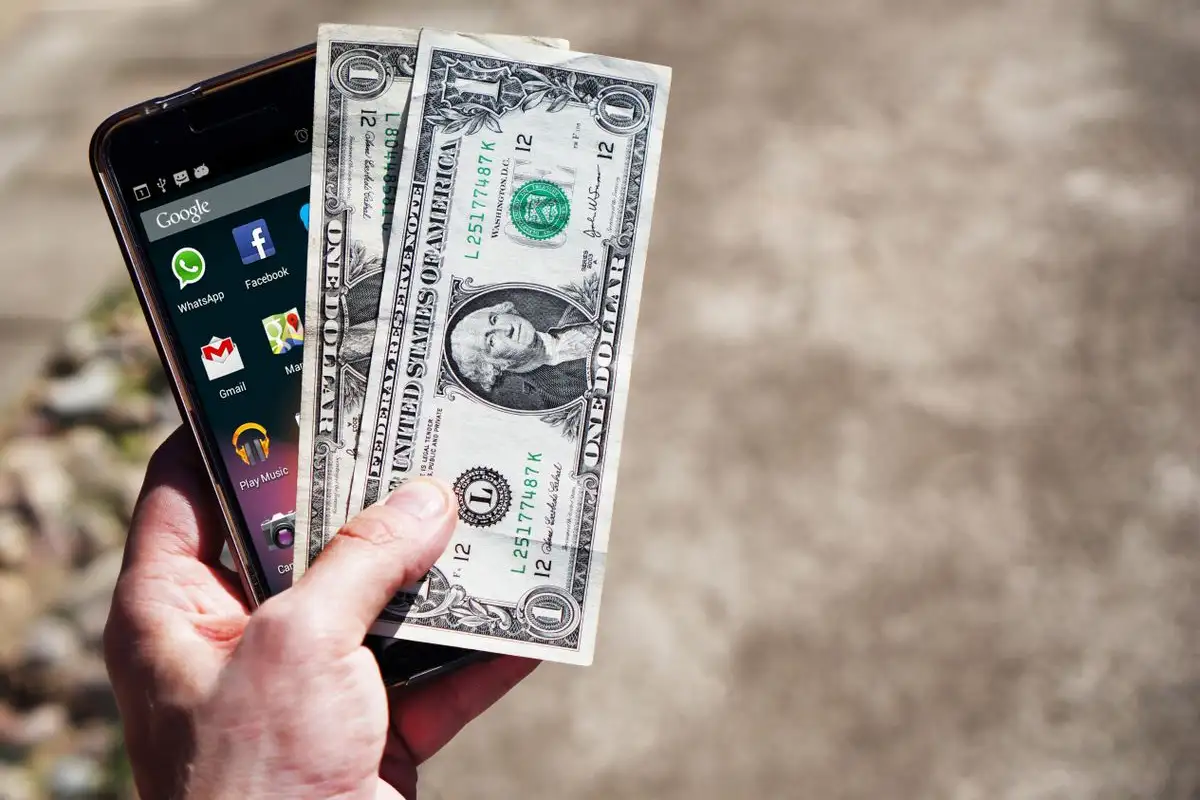
Your phone is probably the most expensive thing you carry every day — and for most people, it only costs money. But the same device you use to scroll social media can also earn. From paid surveys you can do on the bus to freelance gigs you can manage entirely from an app, there are real ways to make money with your phone in 2026. The honest truth up front: most of them pay pocket money, not a salary. A few can grow into serious part-time income. This guide covers 11 legit apps and methods, what each one realistically pays, and how to spot the scams that promise far more.
If you are starting from zero, our beginner’s guide to making money online covers the bigger picture — the methods below are the phone-only slice of it, chosen because you can start each one with nothing more than the device in your hand.
At a Glance: 11 Ways to Make Money with Your Phone
| Method | Effort | Realistic earnings | First payout |
|---|---|---|---|
| Paid surveys | Low | $20–$60/month | Days |
| Cashback & receipt apps | Low | $10–$25/month | Weeks |
| User testing | Low | $10–$120 per test | 1–2 weeks |
| Gaming reward apps | Low | $5–$40/month | 2–4 weeks |
| Passive data apps | None | $5–$20/month | Weeks |
| Delivery & gig apps | Medium | $15–$25/hour | Days |
| Local task apps | Medium | $15–$30/hour | Days |
| Freelancing from your phone | Medium | $10–$40/hour | 1–4 weeks |
| Selling stuff you own | Medium | $30–$300+ per month | Days |
| Selling your photos | Medium | $5 per sale, slow start | Weeks–months |
| Content & affiliate marketing | High | Uncapped, slow start | 3–6 months |
Notice the pattern: the easier a method is, the lower the pay. That trade-off is the whole game. Pick the row that matches the time and skills you actually have, not the one with the biggest number.
1. Paid Surveys: The Easiest Start
Survey apps pay you for your opinions. Brands want to know what consumers think before they launch products, and they pay research panels for the data. The panels pass a slice of that money to you.
Well-known options include Swagbucks, Survey Junkie, and Google Opinion Rewards. Surveys typically pay $0.50 to $3 each and take 5 to 25 minutes. Swagbucks adds other small earners — watching videos, searching, shopping — while Survey Junkie sticks to surveys and pays out via PayPal from a $5 minimum. Google Opinion Rewards sends very short surveys, often just one to three questions, paying $0.10 to $1 in Play credit.
Realistic earnings are $20 to $60 a month with steady use. That will not change your life, but it is real money for time you would otherwise spend scrolling. Treat surveys as dead-time income: the bus, the waiting room, the ad break. The moment you start treating them like a job, the hourly rate — often $3 to $6 an hour — stops making sense.
2. Cashback and Receipt Apps: Earn on Spending You Already Do
Cashback apps give you money back when you shop through their links or scan receipts. Rakuten and TopCashback pay a percentage of online purchases; Ibotta and Fetch Rewards focus on groceries and in-store receipts.
The key point: cashback only earns on money you were going to spend anyway. Ibotta reports its consistent users average around $261 a year (roughly $22 a month), and cashback sites commonly return a few hundred dollars a year for regular shoppers — but buying things just to earn cashback is how you lose money, not make it. Link the app, shop as normal, and let the rebates stack up in the background. Payouts usually arrive via PayPal, bank transfer, or gift cards once you hit a small threshold.
3. User Testing: Get Paid to Try Websites and Apps
UserTesting pays people to test websites and apps while talking through their thoughts out loud. A typical test takes 10 to 20 minutes and pays $10, while longer live interviews can pay $30 to $120. You record your screen and voice on your phone, complete a set of tasks, and answer follow-up questions.
The catch is qualification: you only get tests that match your profile, and there are far more testers than tests. Most people land a handful a month, not a daily stream. Still, at $10 for 15 minutes of work, it is one of the best hourly rates in the low-effort category — when a test actually comes your way.
4. Gaming Reward Apps: Play Games, Earn Gift Cards
Apps like Mistplay and Freecash pay you in gift cards or cash for playing partner mobile games, completing surveys, and trying offers. They earn money from game developers who want players, and share a cut with you.
Be realistic here. Mistplay users commonly report taking two to four weeks of regular play to earn a single $5 gift card. Freecash pays faster in some regions and offers PayPal and crypto withdrawals, but the hourly rate is still very low. These apps are fine if you already play mobile games and want a small bonus for it. They are a poor choice if your goal is actual income — an hour of surveys pays better than an hour of grinding a game for points.
5. Passive Data Apps: Earn While Your Phone Sits Idle
Apps like Honeygain pay a small amount for sharing your unused internet bandwidth, while panels like Nielsen Mobile pay up to around $50 a year simply for having their app installed and sharing anonymised usage data. Earnings are typically $5 to $20 a month.
This is the only genuinely passive method on the list — but “passive” also means “tiny”. Never install a data-sharing app you have not researched, and never grant one permissions beyond what it needs. If an app promises $100 a month for doing nothing, it is lying.
6. Delivery and Gig Apps: The Highest Hourly Pay from Your Phone
If you have a car, bike, or scooter, delivery apps are where phone income gets serious. DoorDash, Uber Eats, and Instacart drivers commonly earn $15 to $25 an hour after tips in busy markets, and rideshare driving with Uber or Lyft pays a similar range. You choose your hours, accept orders in the app, and get paid weekly or instantly for a small fee.
Do the maths honestly, though: fuel, vehicle wear, insurance, and taxes all come out of that hourly rate. In many countries outside the US, the same apps exist under different names — Deliveroo in the UK and Europe, Careem in the Middle East, foodpanda across Asia — with local pay rates that vary widely. Check what drivers in your city actually report earning after costs before you sign up. Gig work is the only method on this list that can realistically bring in $500 to $2,000 a month part-time, but it is real work, not pocket money.
7. Local Task Apps: Sell Your Time and Hands
TaskRabbit connects you with neighbours who need furniture assembled, help moving, cleaning, or odd jobs. Taskers set their own hourly rates, and jobs commonly pay $35 to $85 each. Similar apps include Field Agent and Gigwalk, which pay for small in-store tasks like checking prices or photographing displays.
This method suits you if you are practical, local, and free on short notice. It needs no laptop and no special skill beyond reliability — but it does need you to leave the house, and work depends on demand in your area. In smaller towns, tasks can be scarce.
8. Freelancing from Your Phone: The Best Long-Term Bet
Fiverr and Upwork both have full mobile apps, and plenty of freelance work can be done entirely on a phone: writing, social media management, virtual assistance, voiceovers, simple graphic design in Canva, and customer support. Beginners on Fiverr typically start at $10 to $20 an hour after the platform’s 20% commission, while experienced freelancers on Upwork average far more — the platform-wide average is around $39 an hour, though beginners earn less while they build reviews.
If you have a skill — or are willing to learn one — this is the method with the highest ceiling on the list. Start with one small, well-defined service, price it low to win your first reviews, and raise your rates as your profile grows. If you are not sure where to begin, our guide on how to start freelancing walks through the whole setup, and the Side Hustle Matcher can point you to the freelance skills that fit what you already know.
9. Selling Stuff You Own: The Fastest First Payout
Your phone’s camera plus a marketplace app is the fastest route to real cash on this list. eBay, Facebook Marketplace, and Vinted (popular in the UK and Europe, with no seller fees on most items) let you photograph, list, and sell in minutes. Clothes, old phones, books, furniture — most households have $100 or more of sellable stuff sitting unused.
Realistic earnings are $30 to $300 or more in your first month if you have things to clear out, then less once the cupboard is empty. To keep it going, some people move into reselling: buying underpriced items at thrift stores or clearance sales and flipping them for a profit. That takes an eye for value and some upfront cash, but the same phone, the same apps, and the same skill set apply.
10. Selling Your Photos: Turn Your Camera Roll into Income
If you take good photos, your phone is also your studio. Foap lets you upload smartphone photos to a marketplace where brands buy licences — a typical sale is $10, of which you keep $5. Adobe Stock and Shutterstock also accept phone photos that meet their quality standards, paying a royalty each time your image is downloaded.
This is slow money. Stock photography is a numbers game: you usually need dozens or hundreds of photos uploaded before sales become regular, and only clear, useful, well-keyworded images sell. But every photo you upload can keep earning for years, which makes it one of the few methods here with a genuinely passive tail. Start by uploading your ten best shots and learn what buyers actually search for.
11. Content Creation and Affiliate Marketing: Slow Start, Real Ceiling
The highest-ceiling phone method is also the slowest. Creating short videos on TikTok, Instagram Reels, or YouTube Shorts costs nothing but time, and a growing audience can earn through creator funds, brand deals, and affiliate commissions — recommending products and earning a percentage of each sale through your link.
Expect three to six months before meaningful income. Affiliate commissions typically run 5% to 50% depending on the product, and you need an audience that trusts your recommendations before anyone clicks. If this route interests you, our affiliate marketing for beginners guide lays out the first 90 days step by step. Pair it with the Earning Path Finder quiz if you are torn between content, freelancing, and the other options on this list — and browse the wider earning ideas hub for methods that fit your situation.
How to Spot a Scam App Before You Waste Time on It
For every legit app above, there are ten that will waste your time or steal your data. Run every new app through three questions before you install it:
- Does it pay real, withdrawable cash? Legit apps pay via PayPal, bank transfer, or gift cards from real brands. If earnings exist only as in-app coins with no clear cash value, walk away.
- Is the payout transparent? The minimum cash-out, the payout method, and the fee should be stated before you start, not discovered after weeks of work.
- Does it pay you for value you actually create? Your time, your opinion, your skill, your stuff, or your data. If the app pays you mainly for recruiting other people, it is a pyramid in a pretty wrapper.
Red flags that fail the test instantly: any app that asks you to pay to unlock earnings, promises hundreds of dollars a day for tapping a screen, or has no company name, no reviews outside its own website, and no support contact. The US Federal Trade Commission warned in 2024 about game-like “job” scams that use exactly these tricks.
How to Get Started Today: A Simple 5-Step Plan
Step 1: Pick one quick method and one growth method. Pair something that pays this week (surveys, cashback, or selling an item) with something that can grow (freelancing, reselling, or content). The quick win keeps you motivated; the growth method is where the money eventually comes from.
Step 2: Set up a separate payout route. Create a dedicated PayPal account or e-wallet for earning apps, and use a separate email address for sign-ups. It keeps your main inbox clean and makes it easy to track what you have actually been paid.
Step 3: Track your first month honestly. Write down hours spent and money received for each app. If a method pays less than $3 an hour after a fair trial, drop it — your time is worth more elsewhere.
Step 4: Reinvest the first $50. Spend it on something that raises your earning rate: a short course in a freelance skill, better lighting for product photos, or a month of a tool that saves you time. Pocket-money methods stay pocket money unless you level up.
Step 5: Declare your income. In most countries, side income is taxable above a threshold — in the US, for example, net self-employment earnings of $400 a year generally need reporting. Keep records from day one and check your local rules.
Pros and Cons of Making Money with Your Phone
| Pros | Cons |
|---|---|
| Start with zero investment — no laptop needed | Most methods pay $3–$6 an hour at best |
| Work from anywhere, in spare minutes | Income is inconsistent and app-dependent |
| Wide choice: surveys, gigs, freelancing, selling | Scam apps are everywhere and look convincing |
| Easy to test several methods quickly | Gig work has real costs: fuel, wear, fees |
| Skills you build (freelancing, selling) transfer | High-ceiling methods take months to pay off |
| Payouts via PayPal, bank, or gift cards | Some apps only work in certain countries |
Frequently Asked Questions
Can you really make money with your phone?
Yes — but be honest about the scale. Surveys, cashback, and reward apps realistically pay $20 to $60 a month. Gig work and freelancing done through phone apps can pay $15 to $40 an hour. No app will pay you a full-time salary for tapping a screen.
What is the best app to make money on your phone?
There is no single best app — it depends on what you have. Spare minutes only? Swagbucks or Survey Junkie. A car? DoorDash or Uber Eats. A skill? Fiverr or Upwork. Things to sell? Facebook Marketplace or eBay. Match the app to your situation, not to someone else’s screenshot of earnings.
Do money-making apps work in every country?
No. Many survey and cashback apps pay best in the US, UK, Canada, and parts of Europe, and pay far less — or are unavailable — elsewhere. Gig, freelancing, and selling apps are usually more global. Always check availability and payout methods for your country before investing time.
How much can a beginner make in the first month?
A realistic first month: $20 to $60 from surveys and cashback, plus $30 to $300 if you sell unused items, plus whatever you earn from one or two gig or freelance jobs. Bankrate’s 2025 side-hustle survey found side hustlers earn a median of $200 a month — but that average is pulled up by people doing skilled work, not surveys alone.
Are money-making apps safe?
The established ones are, if you stick to well-reviewed apps with millions of downloads and clear payout terms. Never pay to join, never share banking passwords or ID documents with an app that has no verifiable company behind it, and read recent user reviews — not just the ones on the app’s own website — before you sign up.
The Bottom Line
Making money with your phone works best when you treat it as a ladder, not a lottery ticket. Start at the bottom rung — surveys, cashback, a quick sale — to prove to yourself that online income is real and to learn how payouts work. Then climb: pick one method with a real ceiling, freelancing or reselling or content, and give it three months of consistent effort. The phone in your hand is enough to start. What turns it into income is not the app you download, but what you do after the download.
If you want a broader plan that includes laptop-based methods too, start with our complete guide to making money online or explore work-from-home jobs and online tutoring jobs — several of the methods there work just as well from your phone.
Featured image: Photo by Pixabay on Pexels (free to use).
